
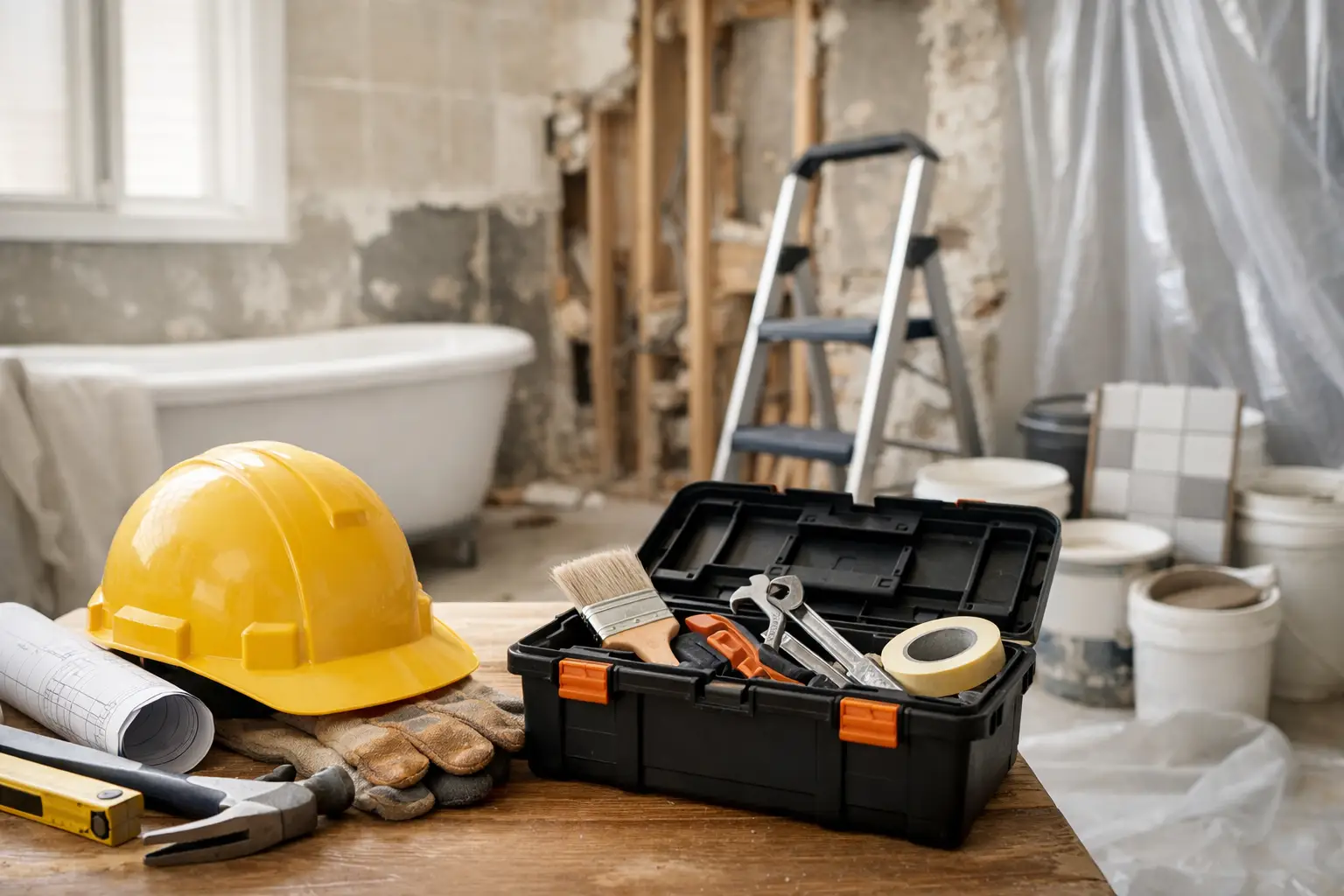
Most bathroom problems show up long before demolition starts. The layout feels cramped, storage is never enough, lighting is poor, or moisture has started to wear down surfaces that should have lasted longer. If you are asking how to prepare for bathroom remodel projects the right way, the best place to start is not with tile samples. It is with a clear plan for how you want the room to function, what you want to spend, and who you trust to carry the work through on time and on budget.
A bathroom remodel can improve daily comfort and add long-term value to your home, but only if the planning is solid. Good preparation reduces delays, avoids costly changes, and helps you make decisions with confidence before the work begins.
How to prepare for bathroom remodel planning
The first step is getting honest about why you are remodeling. Some homeowners want a better-looking space. Others need more practical improvements, like a safer shower entry, better storage, stronger ventilation, or an updated layout for a growing family. Those goals matter because they shape every decision that follows, from the budget to the materials to the construction timeline.
Start by identifying what is not working in your current bathroom. Maybe the vanity is too small, the tub never gets used, or the room always feels dark no matter how many bulbs you replace. Separate your must-haves from your nice-to-haves early. That one step can save a lot of frustration later when you compare options and prices.
It also helps to think about how long you plan to stay in the home. If this is your long-term home, comfort, durability, and layout improvements may deserve a larger share of the budget. If resale is part of the equation, your choices may lean more toward broad appeal and practical upgrades.
Set a budget that reflects the real job
Bathroom remodeling costs vary widely because the scope can vary widely. A cosmetic refresh is very different from moving plumbing lines, replacing subflooring, or rebuilding a shower. One of the most common mistakes homeowners make is setting a budget based only on finishes while underestimating labor, prep work, and hidden issues.
A realistic budget should cover demolition, plumbing, electrical, tile work, fixtures, cabinetry, painting, trim, and installation. It should also include a contingency. Bathrooms are smaller rooms, but they often reveal problems once walls or floors are opened up. Water damage, aging pipes, poor ventilation, and outdated wiring are not unusual, especially in older homes.
That does not mean you should expect the worst. It means you should plan responsibly. A contingency fund gives you room to handle surprises without making rushed decisions in the middle of the project.
Decide what stays and what changes
Before you choose finishes, decide whether you are keeping the current layout. This is one of the biggest cost drivers in any bathroom remodel. Leaving the toilet, shower, and vanity in the same general locations usually helps control labor costs. Moving plumbing or changing the footprint can create a more functional room, but it will usually increase time and budget.
There is no universal right answer here. If the layout works and the room simply needs an upgrade, keeping the core arrangement may be the smart move. If the bathroom has poor flow, wasted space, or accessibility problems, a layout change may be worth the investment. Preparation means weighing function against cost instead of assuming one approach fits every home.
Choose materials with real-life use in mind
This is where many remodels either hold up beautifully or start showing wear too soon. Bathrooms deal with humidity, water exposure, temperature changes, and constant daily use. Materials need to look good, but they also need to perform.
Flooring should be moisture-resistant and safe underfoot. Wall surfaces in wet areas should be selected for durability and ease of maintenance. Countertops should stand up to daily use. Fixtures should match the level of use your household will put on them. A bathroom used by children or guests may call for different choices than a primary bath designed for long showers and a more spa-like feel.
It is also smart to think about maintenance before you fall in love with a look. Some finishes are beautiful but demand more cleaning or care than homeowners expect. Others offer a cleaner, more timeless appearance with less upkeep. A dependable contractor can help you compare options based on your goals, not just trends.
Prepare your home before work begins
If you want the remodel to move efficiently, the area around the bathroom needs preparation too. Start by clearing out the room completely. Remove toiletries, towels, rugs, artwork, medicine cabinet items, and anything stored in nearby closets or cabinets that could be affected by dust.
If this is the only full bathroom in the house, you will need a realistic plan for daily routines during construction. That may mean adjusting schedules, setting up temporary storage in another bathroom, or coordinating shower access with family members. If you have more than one bathroom, decide in advance which one will absorb the extra use so there is less disruption once work starts.
Protecting nearby spaces matters as well. Remodeling crews take steps to contain dust and protect floors, but homeowners should still move fragile items, clear pathways, and make sure the work area is accessible. The easier it is to get in and out of the space, the smoother the project tends to run.
Hire the right contractor before selecting every detail
Many homeowners think they need every finish and fixture selected before calling a contractor. In reality, bringing in the right remodeling professional early can make the entire planning process better. A full-service contractor can help you shape the scope, identify budget priorities, spot layout issues, and guide material decisions before you lock yourself into choices that may not fit the room or the cost.
When comparing contractors, look beyond price alone. Experience, licensing, insurance, communication, scheduling discipline, and craftsmanship all matter. A lower quote is not always the better value if it leaves room for delays, vague allowances, or incomplete planning.
Ask clear questions. Who manages the project day to day? How are changes handled? What is the expected timeline? What is included in the estimate? How will materials be ordered and stored? Homeowners usually feel more confident when the answers are direct and specific.
For many families, the real value is not just the finished bathroom. It is working with a team that keeps the process organized, communicates clearly, and takes responsibility for the details.
How to prepare for bathroom remodel selections
Once the project scope is clear, finalize selections early. That includes tile, vanity, countertop, plumbing fixtures, lighting, mirror, hardware, paint color, and accessories if they are part of the installation plan. Delayed selections can delay the project, especially when certain items have longer lead times.
This does not mean you need to rush your choices. It means decisions should follow a schedule. Start with the major elements that affect layout and installation, then move to finish details. A faucet can usually be changed more easily than a custom vanity size or shower configuration.
Try to keep the whole room in mind rather than choosing each item separately. The most successful bathrooms are not built around one impressive feature alone. They work because scale, color, lighting, texture, and storage all support each other.
Think beyond looks: ventilation, lighting, and storage
Some of the best remodel decisions are the ones people notice after living in the space for a few months. Better ventilation protects finishes and improves air quality. Better lighting makes morning routines easier and the room feel more comfortable. Better storage reduces clutter and helps the bathroom stay functional every day.
These features are not always the most exciting part of design, but they often have the biggest impact on how satisfied you feel after the remodel is done. A beautiful bathroom that fogs up constantly or lacks usable storage will not feel finished for long.
That is why preparation should include practical conversations about fan capacity, task lighting, outlet placement, drawer space, recessed niches, and traffic flow. These details are easier to address before construction than after installation is complete.
Expect some disruption and plan for it
Even a well-run project creates temporary inconvenience. There will be noise, workers coming and going, material deliveries, and parts of the home that feel less orderly than usual. Good preparation does not eliminate disruption, but it helps you manage it.
Set expectations with everyone in the household. Talk through parking, pets, work-from-home schedules, and any access concerns. If you know certain times of day are especially sensitive, share that early. Clear communication on both sides can prevent small issues from turning into bigger frustrations.
This is also where an experienced contractor makes a real difference. Strong project management, realistic scheduling, and attention to detail help keep the remodel moving in the right direction.
A bathroom remodel starts long before the first tile is installed. When you prepare with a clear vision, realistic budget, early selections, and the right remodeling partner, the entire process feels more manageable – and the finished space is far more likely to deliver what you wanted from the start.