
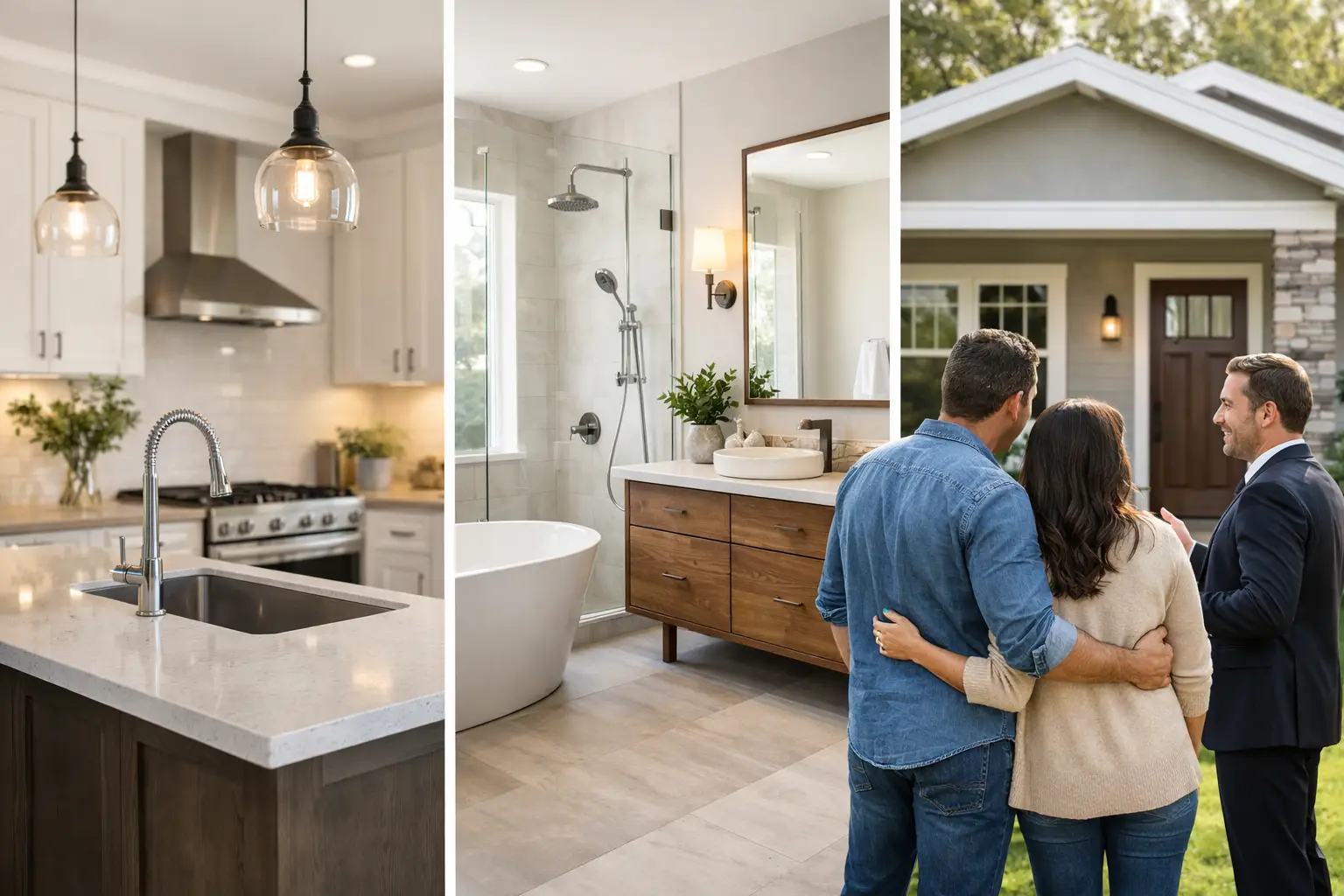
A home does not need every trend to command attention. It needs spaces that feel clean, functional, current, and easy to live in. The best upgrades for home value are the ones that improve daily life for your family while helping future buyers see fewer projects waiting for them after closing.
For homeowners in established suburban communities, that often means putting the budget toward kitchens, bathrooms, basements, and the practical details that make those rooms work better. The right scope depends on your home’s condition, neighborhood, timeline, and plans to sell. A well-managed remodel should never be based on resale alone, but value is a smart part of the conversation from the first design meeting.
Start With the Projects Buyers Use Every Day
High-value improvements usually solve visible problems. Dated finishes, poor storage, worn flooring, inefficient layouts, and unfinished lower levels can make an otherwise well-kept home feel less competitive. Buyers may not know the cost of correcting every issue, but they notice the inconvenience and often factor it into their offer.
Before choosing finishes, look at the home through a buyer’s eyes. Is the kitchen cramped for more than one person? Does the primary bathroom lack storage or adequate lighting? Is a basement simply storage space when it could be flexible living space? Addressing those questions creates value that is easier to see and enjoy.
Best Upgrades for Home Value: Kitchen Remodeling
The kitchen is often the first room homeowners consider, and for good reason. It carries a great deal of everyday use and has a strong influence on how buyers judge the rest of the house. A kitchen does not have to be oversized or extravagant to feel valuable. It needs a thoughtful layout, durable materials, and enough storage for real life.
A smart kitchen remodel may include cabinet replacement or refinishing, new countertops, improved lighting, updated appliances, a tile backsplash, and flooring that connects naturally to nearby living areas. If the current layout creates bottlenecks, moving an island, widening an opening, or improving the work triangle can make a bigger difference than adding a luxury feature no one needs.
Choose durability over short-lived trends
Cabinets in a versatile finish, quality hardware, quartz or natural-stone countertops, and layered lighting tend to appeal to a wide range of buyers. A dramatic color or highly specialized feature can be beautiful when it fits your style, but it may narrow the audience later. The goal is not to make your home look generic. It is to make the design feel intentional and well built.
Spend where hands and eyes go first: cabinetry, counters, fixtures, lighting, and installation details. Poor alignment, uneven tile, or rushed trim work can weaken the impression of even the most expensive materials.
Update Bathrooms for Comfort and Confidence
Bathrooms may be smaller than kitchens, but buyers inspect them closely. An outdated bathroom can suggest hidden plumbing problems, water damage, or an immediate renovation expense. A refreshed bathroom signals that the home has been maintained.
The most effective updates typically improve both appearance and function. A walk-in shower with properly installed tile, a durable vanity with useful storage, a new toilet, updated faucets, and better lighting can transform the room without requiring an oversized footprint. In a primary bathroom, double sinks or a more efficient layout can be worthwhile when space allows.
Ventilation deserves attention as well. A good exhaust fan, correct waterproofing behind tile, and professional plumbing work protect the investment long after the project is complete. These are not the details that appear first in a listing photo, but they matter to homeowners and help prevent expensive callbacks.
There is a practical limit. Turning every bathroom into a high-end spa may not make sense if comparable homes nearby have modest finishes. A professional remodeling consultation can help match the design and investment level to the home rather than overbuilding for the market.
Finish the Basement With a Clear Purpose
A finished basement can add meaningful usable square footage without the complexity of a full addition. For families, it can become a recreation room, home office, workout area, guest space, media room, or a combination of flexible uses. For buyers, that finished area can make a home feel more accommodating from the moment they walk downstairs.
The best basement renovations begin with moisture control, insulation, ceiling height, electrical planning, and egress requirements. Those foundational items determine whether the finished space will feel comfortable and safe. Covering walls and installing flooring before addressing dampness or poor air circulation is a costly mistake.
Once the fundamentals are in place, prioritize an open, adaptable plan. Built-in storage, durable flooring, recessed lighting, and a finished bathroom can increase usefulness significantly. If you add a bedroom, make sure it meets applicable code requirements, including safe emergency exit provisions. A space presented as a bedroom should function as one.
Improve Flow, Storage, and Lighting Throughout the Home
Not every value-focused upgrade requires a full room renovation. Some of the strongest improvements are the ones that remove daily friction. Reconfiguring a laundry area, adding a mudroom drop zone, creating a pantry, or upgrading a dark hallway with better lighting can make a home feel more organized and cared for.
Lighting is especially influential. Replace outdated fixtures, add recessed lighting where it serves a purpose, and use under-cabinet lighting in kitchens and work areas. Good lighting makes finishes look better, improves safety, and helps rooms feel larger without changing the footprint.
Flooring also has a major visual impact. Worn carpet, damaged vinyl, or mismatched materials can distract from an otherwise updated home. Consistent, durable flooring across connected areas creates a cleaner look. The best choice depends on the room: water-resistant materials may suit entryways and basements, while hardwood or quality engineered wood can be a strong option in main living spaces.
Avoid Spending That Does Not Match Your Home
Home value is not simply about spending more. It is about making the right improvements at the right level. A remodel that greatly exceeds the finishes and functionality of surrounding homes may be difficult to recover at resale. On the other hand, choosing the lowest-cost option for cabinets, tile, or labor can lead to premature repairs and a result that buyers immediately question.
It also helps to avoid removing features that support everyday living unless there is a clear benefit. Eliminating too much storage, taking away a practical bedroom, or creating a highly personalized layout can reduce appeal. Your home should reflect your vision, but major structural choices deserve careful planning.
Plan the project before demolition begins
A clear scope, realistic budget, detailed selections, and experienced installation are essential to protecting value. Changes made halfway through a remodel often add cost and delay the schedule. Working with a full-service contractor gives homeowners a more coordinated path from design support and material selection through installation and final details.
JG Home Services helps homeowners plan kitchen, bathroom, and basement renovations with craftsmanship, communication, and accountability at the center of the process. The objective is simple: deliver a finished space that works for your family today and strengthens your confidence in the home tomorrow.
The most rewarding upgrades are not the ones that chase a resale number. They are the ones that make you glad to come home, while giving the next owner every reason to feel the same.