
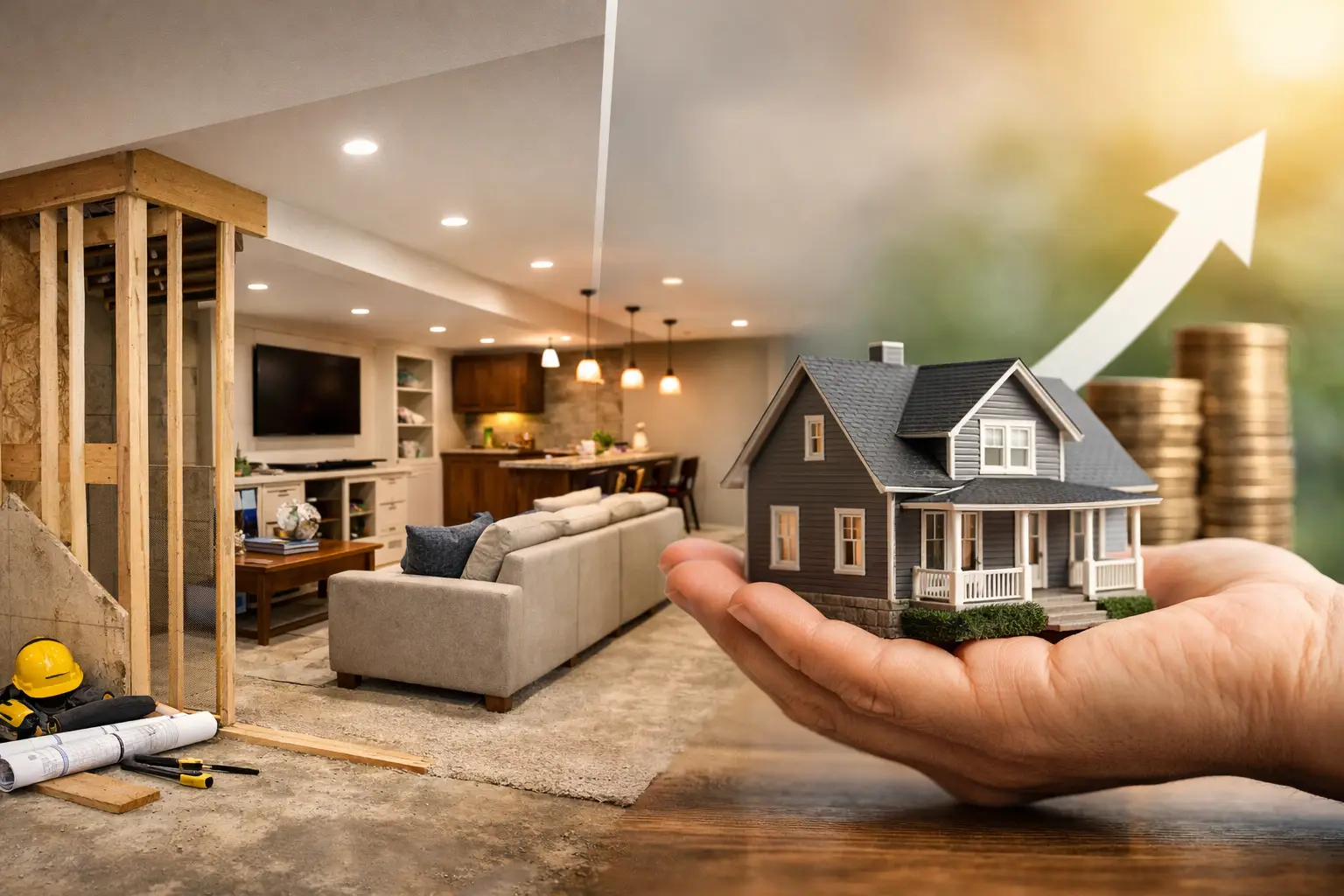
A basement can be the difference between a home that feels tight and a home that works for the way your family actually lives. If you are asking, does basement remodel add value, the short answer is yes – but the real answer depends on how the space is finished, how well it fits the home, and whether the work solves a practical need buyers will recognize.
A well-planned basement remodel can add usable square footage, improve daily comfort, and make your property more appealing when it is time to sell. A poorly planned one can do the opposite. That is why homeowners need more than a simple yes or no. They need to know what kind of basement renovation adds value, what can hurt resale, and how to make smart decisions before construction begins.
Does basement remodel add value in real market terms?
In many cases, it does. Buyers are drawn to finished lower levels because they see flexibility. One family may want a playroom and storage. Another may picture a guest suite, home office, media room, workout area, or a place for teenagers to spread out. When a basement is clean, dry, comfortable, and intentionally designed, it gives the home more function without the cost of an addition.
That said, basement remodel value is rarely measured the same way as kitchen or bathroom renovation value. A basement usually supports resale rather than carrying the full sale on its own. It can help your home stand out, reduce objections, and make the asking price feel more justified. In competitive suburban markets, that matters.
The best return usually comes when the remodel feels like a natural extension of the house. Ceiling height, lighting, flooring, trim, and layout all affect whether buyers see a true living space or just a dressed-up lower level. Quality matters here. If the basement feels dark, damp, or makeshift, buyers notice it right away.
What makes a basement remodel worth more?
The highest-value basement remodels solve a real need while staying aligned with the rest of the home. A finished basement should not feel like a separate project with different standards. It should feel integrated.
Extra living space is one of the biggest value drivers. Families often want a second area to relax, entertain, or give kids room to play without taking over the main floor. That kind of flexibility is easy for buyers to understand, and it broadens the home’s appeal.
A basement bedroom or guest area can also help, especially when paired with a nearby bathroom. This setup is attractive for visiting family, older children, or multigenerational living. A home office has become another strong value point. Buyers may not pay a premium for the words alone, but they do respond to a finished space that clearly supports work, school, or hobbies.
Storage still matters too. One of the most common basement mistakes is finishing every inch and leaving no room for practical storage. Homeowners want the lower level to look polished, but they also need a place for seasonal items, tools, and household overflow. The basement that balances comfort and utility often wins.
When a basement remodel adds less value than expected
Not every basement project delivers the same return. In some homes, the remodel cost may outpace what the market is willing to reward. That does not always mean the project is a mistake. It just means part of the value may be personal rather than financial.
Custom features are one example. A built-in theater, large wet bar, wine room, or highly specialized game area may be perfect for your family, but future buyers may not place the same value on those choices. The more tailored the basement becomes, the more likely it is that resale value depends on finding the right buyer.
Layout can also limit return. Too many chopped-up rooms can make the basement feel smaller and darker than it is. Low ceilings, poor lighting, and awkward soffits are common basement challenges. If those issues are ignored instead of designed around, the finished result may feel compromised.
Then there is moisture. This is the biggest red flag in basement remodeling. If water intrusion, musty odors, or humidity problems are covered up instead of fixed, the renovation may hurt confidence instead of adding value. Buyers do not want pretty finishes over hidden risk. The right approach is always to address the basement’s condition first, then build on a sound foundation.
Features buyers tend to notice
When homeowners ask whether a basement remodel adds value, they often focus on square footage. Buyers notice square footage, but they notice comfort even more.
Good lighting changes everything. Recessed lighting, smart fixture placement, and lighter finishes can make the basement feel open and welcoming. Flooring should be durable and appropriate for below-grade conditions. Trim, doors, and paint should match the level of finish in the rest of the house.
A bathroom is often a strong addition because it makes the lower level more self-sufficient. It does not have to be oversized to matter. A clean, well-designed bathroom can make the basement more usable for guests and daily family life.
Sound control can also improve value in a practical way. If the basement is used as a media room, office, gym, or teen hangout, insulation and thoughtful construction help make the space more comfortable for everyone upstairs.
Most important, the basement should feel dry, climate-controlled, and legally finished where required. Buyers want confidence that the space is not just attractive, but built the right way.
How to remodel with ROI in mind
If resale matters, the smartest basement remodel is usually not the most expensive one. It is the one that delivers the broadest appeal.
Start with a clear purpose. Do you need family living space, guest accommodation, a work area, or a flexible room that can adapt over time? Spaces with multiple possible uses tend to hold value better than rooms built around one narrow function.
Choose finishes that feel current but not overly trendy. Neutral colors, durable materials, and a clean layout age better than bold design choices that may look dated quickly. This is especially true in a basement, where buyers already have questions about light and livability.
Keep the design consistent with the rest of the home. If the main level is polished and well detailed, the basement should not feel like a lower standard. Mismatched quality can make the whole house feel uneven.
It also helps to work with a contractor who understands both design and execution. Basement remodeling involves framing, insulation, electrical, flooring, moisture management, and code considerations. Details matter. A space that looks great in photos but feels poorly built in person does not support value for long.
Does basement remodel add value for your specific home?
That depends on your market, your house, and your goals. In a neighborhood where buyers expect finished basements, leaving yours unfinished can put you at a disadvantage. In a smaller home, finishing the basement may dramatically improve function and marketability. In a larger home with plenty of living space already, the return may be more modest.
Age and condition matter too. If the rest of the home needs updates, a basement alone may not move the needle as much as homeowners hope. On the other hand, if your kitchen, bathrooms, and main living areas are already in strong shape, a basement remodel can complete the package and make the home feel far more finished overall.
This is where professional planning pays off. An experienced remodeling team can help you weigh layout options, budget priorities, and finish levels based on how long you plan to stay and what buyers in your area respond to. For homeowners who want a space that improves daily life now and supports resale later, that balance is worth getting right.
At JG Home Services, we see the best basement projects as more than added square footage. They are opportunities to create real, functional value through thoughtful design, skilled workmanship, and a process that stays on time and on budget.
A basement remodel can absolutely add value, but the strongest results come from building a space people can picture themselves using from day one. When the design is practical, the workmanship is solid, and the finished basement truly fits the home, the value is not hard to see.